
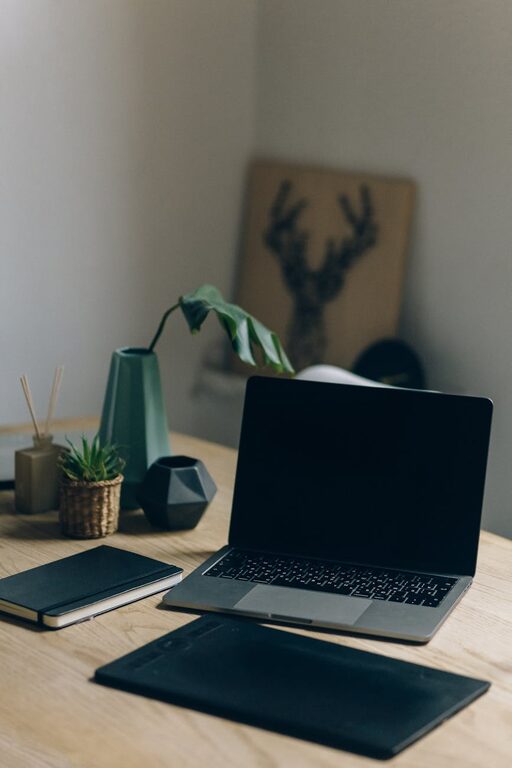
Creating a productive home office environment is essential for anyone working from home, whether full-time or occasionally. A well-designed workspace can improve focus, reduce stress, and make your workday more enjoyable. If you’re setting up a home office or looking to enhance your current space, these practical tips will help you create an environment tailored to your needs.
Choose the Right Location
Selecting the appropriate spot in your home is the first step to establishing a productive office. Consider the following:
– Quiet Area: Pick a location away from high-traffic areas to minimise distractions.
– Natural Light: Aim for a space near a window to enjoy natural daylight, which can improve mood and alertness.
– Space for Essentials: Ensure there’s enough room for your desk, chair, and any equipment you need.
If space is limited, even a small corner can become an effective workspace with the right setup.
Invest in Ergonomic Furniture
Comfort and health go hand in hand with productivity. Ergonomic furniture helps maintain good posture and prevents discomfort during long working hours.
– Chair: Choose an adjustable chair with lumbar support.
– Desk: A desk at the right height prevents strain on your wrists and shoulders. Consider a sit-stand desk if possible.
– Monitor Position: Position your screen at eye level to avoid neck strain.
Spending a little more on quality furniture pays off in comfort and long-term wellbeing.
Organise Your Workspace
A clutter-free workspace reduces distractions and supports focus. Here are some tips for keeping organised:
– Declutter Regularly: Remove unnecessary items from your desk.
– Use Storage Solutions: Drawer organisers, shelves, and filing cabinets can keep essentials tidy.
– Cable Management: Use clips or sleeves to manage cables and avoid a tangled mess.
An organised workspace makes it easier to find what you need and keeps your mind clear.
Optimise Lighting
Good lighting reduces eye strain and creates a welcoming atmosphere.
– Combine Natural and Artificial Light: Use daylight whenever possible, supplemented by adjustable desk lamps.
– Avoid Glare: Position screens and lights to prevent glare on your monitors.
– Warm Light: Choose bulbs with warm light tones to create a calm environment.
Adjust lighting to suit different times of day and tasks to stay comfortable.
Minimise Distractions
Home environments can be full of distractions. To stay focused:
– Set Boundaries: Communicate your work hours to family or housemates.
– Use Headphones: Noise-cancelling headphones can block out background noise.
– Limit Digital Interruptions: Turn off unnecessary notifications on your devices.
Creating clear work routines and boundaries helps keep distractions at bay.
Personalise Your Space
Adding personal touches can increase motivation and make your office feel inviting.
– Decorate Thoughtfully: Use colours and artwork that inspire you.
– Add Plants: Indoor plants improve air quality and create a refreshing atmosphere.
– Keep a Water Bottle or Mug Nearby: Staying hydrated supports energy levels.
A personalised space encourages a positive mindset and makes work feel less like a chore.
Incorporate Break Areas
It’s important to take regular breaks away from your desk to recharge.
– Create a Relaxation Spot: A comfortable chair or cushion in the same room can be ideal.
– Stretch and Move: Use breaks to stretch or do light exercises.
– Maintain a Routine: Schedule breaks just like meetings to ensure they happen.
Short breaks improve focus and reduce fatigue throughout the day.
Leverage Technology Wisely
The right technology can streamline your work and reduce frustration.
– Reliable Internet: Ensure your connection is fast and stable.
– Essential Tools: Use software and apps that aid time management, communication, and task organisation.
– Backup Solutions: Regularly back up important work to avoid loss.
Stay updated on useful tools without overloading your digital workspace.
—
Creating a productive home office is more than just choosing a desk and chair—it involves making thoughtful choices about location, comfort, organisation, and atmosphere. By following these tips, you can build a workspace that supports your best work every day. Remember, the key is to customise your environment to fit your specific needs and preferences for maximum productivity and well-being.