
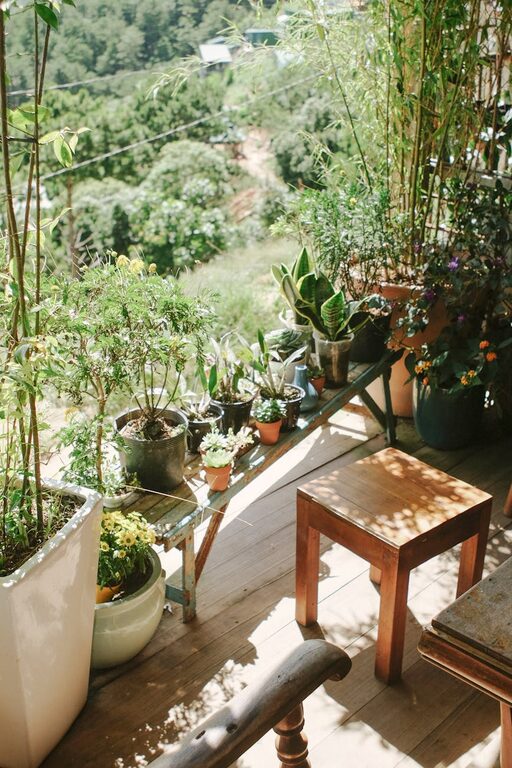
Creating a relaxing garden space at home can be a wonderful way to enjoy the outdoors, reduce stress, and add beauty to your property. Whether you have a sprawling backyard or a small balcony, there are plenty of ways to design a tranquil garden that suits your lifestyle. In this post, we’ll explore practical tips to help you build a calm, inviting garden retreat.
Plan Your Garden Space Thoughtfully
Before you start planting or buying garden furniture, take some time to consider the space you have and how you want to use it.
Assess Your Garden’s Features
– Sunlight: Observe which parts of your garden receive full sun, partial shade, or full shade throughout the day. This helps you select suitable plants.
– Size and Shape: Measure your garden area to understand how much space you have for seating, plants, and paths.
– Privacy: Consider natural or artificial barriers like hedges, screens, or fences to create a sense of seclusion.
Define Your Purpose
Are you looking for a quiet spot to read, a place for meditation, or a social area for family and friends? Knowing the main uses will guide your design choices.
Choose Calming Colours and Plants
Colours and plant selections greatly affect the atmosphere of your garden.
Opt for Soothing Colours
Soft greens, lavenders, pale blues, and whites tend to evoke a peaceful mood. Try to avoid overly bright or clashing colours that might feel jarring.
Select Relaxing Plants
– Lavender: Its scent is known for relaxing properties.
– Ferns and Grasses: Add gentle movement and texture.
– Herbs: Mint, chamomile, or rosemary can stimulate the senses without overwhelming them.
– Climbers: Jasmine or honeysuckle bring fragrance and can provide privacy.
Incorporate Evergreen Plants
These maintain greenery year-round and provide a stable, calming backdrop.
Create Comfortable Seating Areas
A garden is best enjoyed when you can sit back and relax.
Choose Comfortable Furniture
Options like cushioned benches, hammocks, or reclining chairs invite you to linger.
Position Seating Thoughtfully
Place chairs where you can enjoy the best views, shade during hot times, or warmth from the sun on cooler days.
Add Soft Textiles
Weather-resistant cushions, throws, or outdoor rugs can make seating areas more inviting.
Include Water Features for Tranquillity
Water features are known to add a soothing sound and attract birds and wildlife.
Popular Choices
– Small Ponds: Create a natural water habitat.
– Fountains: The sound of flowing water can mask unwanted noise.
– Birdbaths: Encourage birds that add movement and cheerfulness.
Ensure water features are safe for children and pets if applicable.
Use Lighting to Extend Enjoyment
Soft outdoor lighting can enhance the mood and allow you to enjoy your garden after dark.
Types of Lighting
– Solar-Powered Lights: Easy to install and eco-friendly.
– String Lights: Add a magical, cosy feel.
– Spotlights: Highlight plants or water features.
Avoid harsh white lights—warm tones are more relaxing.
Keep Your Garden Tidy but Natural
A balance between neatness and natural growth contributes to relaxing aesthetics.
Maintain Regular Care
Weed, prune, and water plants regularly to keep the space fresh and inviting.
Leave Some Wild Areas
Allowing a small corner for wildflowers or natural grasses can encourage butterflies and bees, adding life and colour.
Add Personal Touches
Incorporating elements that reflect your personality enhances enjoyment.
Examples
– Garden art such as sculptures or wind chimes.
– Handmade stepping stones or personalised plant markers.
– Comfortable outdoor cushions or blankets in favourite colours.
Consider Aromatherapy in Your Garden
Fragrant plants release scents that can soothe the mind.
Plant Ideas
– Lavender for relaxation
– Rosemary and thyme for mental clarity
– Gardenia and jasmine for comforting aromas
You might also consider a small herb garden to use in cooking and teas.
Plan for Seasonal Interest
A garden that changes with seasons keeps your relaxing space appealing all year.
– Plant bulbs such as daffodils and tulips for spring colour.
– Include summer-flowering plants like hydrangeas.
– Choose shrubs with colourful autumn leaves.
– Incorporate evergreens for winter structure.
Final Thoughts
Transforming your garden into a relaxing space is a rewarding project that encourages you to spend more time outdoors. By thoughtfully planning your space, selecting calming colours and plants, and creating inviting seating areas, you can enjoy a peaceful retreat just steps from your door. Remember, a relaxing garden doesn’t need to be perfect—it should be a reflection of your personal comfort and enjoyment. Happy gardening!