
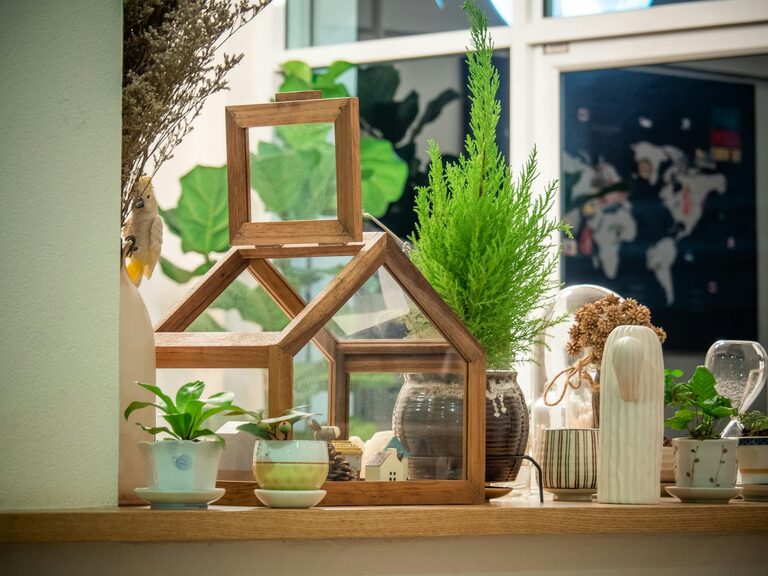
Creating a cosy and sustainable home environment is a wonderful goal that combines comfort with responsibility for our planet. A space that feels warm and inviting can also be kind to the environment, helping to reduce your carbon footprint and promote healthy living. Whether you’re starting from scratch or looking to update your existing setup, this guide offers practical tips to make your home both cosy and sustainable.
Why Choose a Cosy and Sustainable Home?
A cosy home is one where you feel relaxed and at ease — a sanctuary from the outside world. Adding sustainability to that means choosing products and habits that protect natural resources, minimise waste, and reduce your energy consumption. This approach not only benefits the planet but often leads to a healthier lifestyle and can save you money in the long run.
1. Focus on Natural Materials
Choose Sustainable Furnishings
Opt for furniture made from sustainably sourced wood, recycled materials, or natural fibres. Look out for certifications like FSC (Forest Stewardship Council) which ensures responsible forestry. Pieces made from reclaimed wood or vintage finds also add character while cutting down on new resource use.
Soft Textiles for Comfort
Add warmth with cushions, throws, and rugs made from organic cotton, wool, or linen. These natural fabrics feel soft against the skin and offer better breathability compared to synthetic fibres.
2. Improve Your Lighting Naturally and Efficiently
Maximise Natural Light
Arrange your furniture and window coverings to let in as much natural light as possible. This not only creates a bright, welcoming atmosphere during the day but also reduces the need for electric lighting.
Choose Energy-Efficient Lighting
For artificial lighting, use LED bulbs as they consume less electricity and last longer than traditional bulbs. Warm white LED lights mimic the cosy glow of incandescent bulbs, making rooms feel inviting.
Candles and Fireplaces
Where safe and appropriate, candles or a wood-burning stove can add a gentle flicker of light and warmth. Be sure to choose sustainably sourced candles, such as those made from beeswax or soy.
3. Incorporate Plants for Health and Style
Indoor plants improve air quality by absorbing toxins and producing oxygen. They also bring a vibrant, natural feel to your space. Choose easy-care varieties like spider plants, snake plants, or pothos to enjoy greenery with minimal fuss.
4. Use Eco-Friendly Paints and Finishes
Many traditional paints contain VOCs (volatile organic compounds) which can be harmful to health and the environment. When redecorating, select low-VOC or natural paints to keep your air quality clean and reduce your home’s environmental impact.
5. Embrace Efficient Heating and Insulation
Insulate Well
Good insulation keeps your home warm in winter and cool in summer, lowering your heating and cooling needs. Check walls, lofts, and windows for any drafts and seal them accordingly.
Smart Thermostats
Investing in a smart thermostat can help you regulate temperature efficiently. It allows you to set schedules or adjust heating remotely, ensuring you heat rooms only when you need to.
Layer Up
Don’t underestimate the power of soft furnishings for warmth. Use thick curtains, rugs, and throws to add layers of insulation around your home.
6. Reduce, Reuse, Recycle in Your Décor
Declutter Thoughtfully
A cosy home doesn’t need to be crowded. Keep what you love and what serves a purpose. Donate or recycle items you no longer use instead of throwing them away.
Upcycle and Personalise
Try DIY projects to upcycle old furniture or décor items. This adds a unique, personal touch and avoids landfill waste.
7. Choose Sustainable Cleaning Products
Cleaning products can be made with harsh chemicals that harm both your health and the environment. Switch to eco-friendly options made from plant-based ingredients or try homemade solutions using vinegar, baking soda, and lemon.
8. Mindful Use of Water and Energy
Fix Drips and Leaks
A leaking tap might seem minor but wastes a surprising amount of water over time. Regularly check and fix leaks to conserve water.
Reduce Energy Usage
Switch off lights, appliances, and chargers when not in use. Unplug devices to avoid phantom energy consumption.
Water-Efficient Fixtures
Consider installing water-saving showerheads and taps to reduce your household water use without compromising comfort.
9. Create Personal, Inviting Spaces
Cosiness is partly about how a home makes you feel. Arrange seating to encourage conversation, add favourite books and artwork, and use scents like essential oils or freshly baked treats to engage the senses.
Final Thoughts
Combining cosiness and sustainability doesn’t require drastic changes overnight. Small, thoughtful adjustments can add up to a warm, inviting home that respects the environment. By choosing natural materials, improving energy efficiency, and cultivating mindful habits, you’ll create a space where you can relax and thrive with peace of mind.
Embrace this journey at your own pace and enjoy the benefits of living in a home that’s good for you and the planet.